Showing posts with label fructose. Show all posts

Monday, 20 November 2017


Maple syrup

Acer known as maple is a genus of trees or shrubs. The genus is places in the Sapindaceae family. Most species are deciduous, but few in southern Asia and the Mediterranean area are evergreen. Prominently use of the maple leaf as a Canadian symbol.
Maple syrup is a healthy alternative to cane or beet sugar if it is used moderately. Maple tree syrup, or more accurately sap, has been used for centuries. The dominated sugar in sap is sucrose 66%. Sucrose is a disaccharide, within a glucose and a fructose molecules are bonded. The leaves of plants produce sugar during photosynthesis, which is stored as starch in the roots. During the winter months taphole is drilled, a tube is inserted and a bucket is attached. When spring comes the fluctuation of temperature increases the pressure within the tree causing the sap to flow from the taphole into the bucket. So unlike refined sugar, which undergoes complex of processes: harvest, washing, milling, extraction, filtration, purification and crystallisation, maple syrup is natural unrefined product, which depends only on the chemicals introduced to the soil.


Nutritional values of maple syrup:
Maple syrup contains proteins, fat, carbohydrates, water, sugar, minerals such as calcium, magnesium, phosphorous, sodium, potassium, zinc and iron and vitamins such as thiamine, riboflavin, niacin, and vitamin B6.
Health benefits of maple syrup:
·      Maple syrup holds various antioxidants in the form of phenolic compounds, which are helpful for reducing free radicals that can cause various chronic diseases. It may help protect against cancer.
·      The presence of zinc is beneficial for the heart and cardiovascular disorders.
·      Glycemic index score of maple syrup is lower than regular refined sugar.
·      Maple syrup nutrition also supplies inflammation-reducing polyphenol antioxidants helpful in preventing certain diseases like arthritis.
·      Zinc found in maple syrup helps in maintaining male reproductive health particularly the prostate gland.
·      The maple syrup extract may help the antibiotics work better.
The maple syrup nutrition impacts your blood sugar levels a bit less drastically than table sugar does and it also supplies some trace minerals and antioxidants, while sugar lacks both of these.


Tuesday, 25 July 2017


Glucose and Corn syrups
MsH

Sugar is a sweet tasting energy dense carbohydrate.  Simple sugars are contain small molecules; glucose, fructose and galactose, linked together forming a chain. The sugar, which is used by food manufacturers are sucrose (fructose and glucose linked together) or high fructose content corn syrup.  The sugar is not just a source of excess of calories it is a poison if you consume it excessively.
Fructose does not play an essential role in human metabolism.  Fructose is converted to energy but the process produces very reactive oxygen radicals reacting in our body causing ageing. The fructose is not regulated by the insulin, which spurs the production of leptin. Leptin is a hormone, which lets the body to know when it is full. Fructose does not affect leptin production. The fructose goes directly into your liver and turns on a factory of fat production in your liver called lipogenesis.
The more simple a carbohydrate, the quicker your body absorbs it, causing your "blood sugars" to rise up very quickly, but then drop just as fast. This will make you feel hungry pretty quickly after you’ve eaten something with a high sugar content. Ideally, we want to consume more of the complex carbohydrates, giving us blood sugar levels that don't fluctuate as much throughout the day.
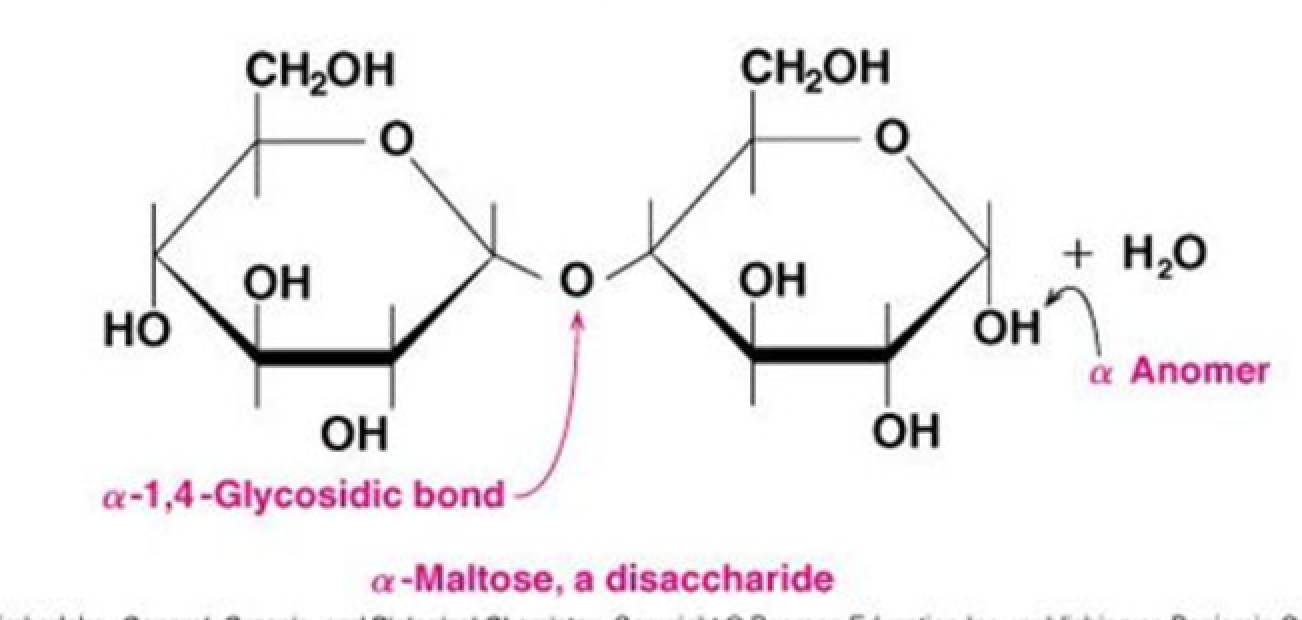
Corn syrup is made from the starch of corn, maze, which contains varying amounts of maltose and about 50% of it are obligosaccharides- almost as simple as sugar, but have a few more molecules attached to them. So they are a little more complex, but not enough to be called a starch. Maltose consists of two glucose molecules linked by an µ-1,4- glycosidic bond. You can see why the corn syrup is also known as glucose syrup, which is used in the food industry to add volume, to soften, to enhance flavour and to prevent crystallisation of sugar.

You must make a difference between corn syrup and high-fructose corn syrup. You can ask that how does corn syrup get fructose in it?  The corn syrup is manufactured by converting a large proportion of glucose content into fructose  using the enzyme D-xylose isomerase. The product is sweeter due to the higher levels of fructose molecules. The fructose level in high-fructose corn syrup can reach as high as 65%. This elevated fructose level is the explanation for why high-fructose corn syrup is so much worse for you than refined sugar. In sucrose or refined sugar a glucose and a fructose molecules are linked together, so its fructose content is 50%. 

The high-fructose corn syrup is a manmade sweetener that is found in a wide range of processed foods, from ketchup and cereals to crackers and salad dressings.
Foods high in fat and sugar are “hyperpalatable foods “ increase the dopamine level as much as addictive drugs.
Our body does not require any added sugar the complex form of carbohydrates in starchy foods supply all the glucose our metabolisms need. My advice is that eliminate high fructose corn syrup from your diet and from your children’s diet. Just banish it from your house.