Showing posts with label metabolism. Show all posts

Tuesday, 25 July 2017


Glucose and Corn syrups
MsH

Sugar is a sweet tasting energy dense carbohydrate.  Simple sugars are contain small molecules; glucose, fructose and galactose, linked together forming a chain. The sugar, which is used by food manufacturers are sucrose (fructose and glucose linked together) or high fructose content corn syrup.  The sugar is not just a source of excess of calories it is a poison if you consume it excessively.
Fructose does not play an essential role in human metabolism.  Fructose is converted to energy but the process produces very reactive oxygen radicals reacting in our body causing ageing. The fructose is not regulated by the insulin, which spurs the production of leptin. Leptin is a hormone, which lets the body to know when it is full. Fructose does not affect leptin production. The fructose goes directly into your liver and turns on a factory of fat production in your liver called lipogenesis.
The more simple a carbohydrate, the quicker your body absorbs it, causing your "blood sugars" to rise up very quickly, but then drop just as fast. This will make you feel hungry pretty quickly after you’ve eaten something with a high sugar content. Ideally, we want to consume more of the complex carbohydrates, giving us blood sugar levels that don't fluctuate as much throughout the day.
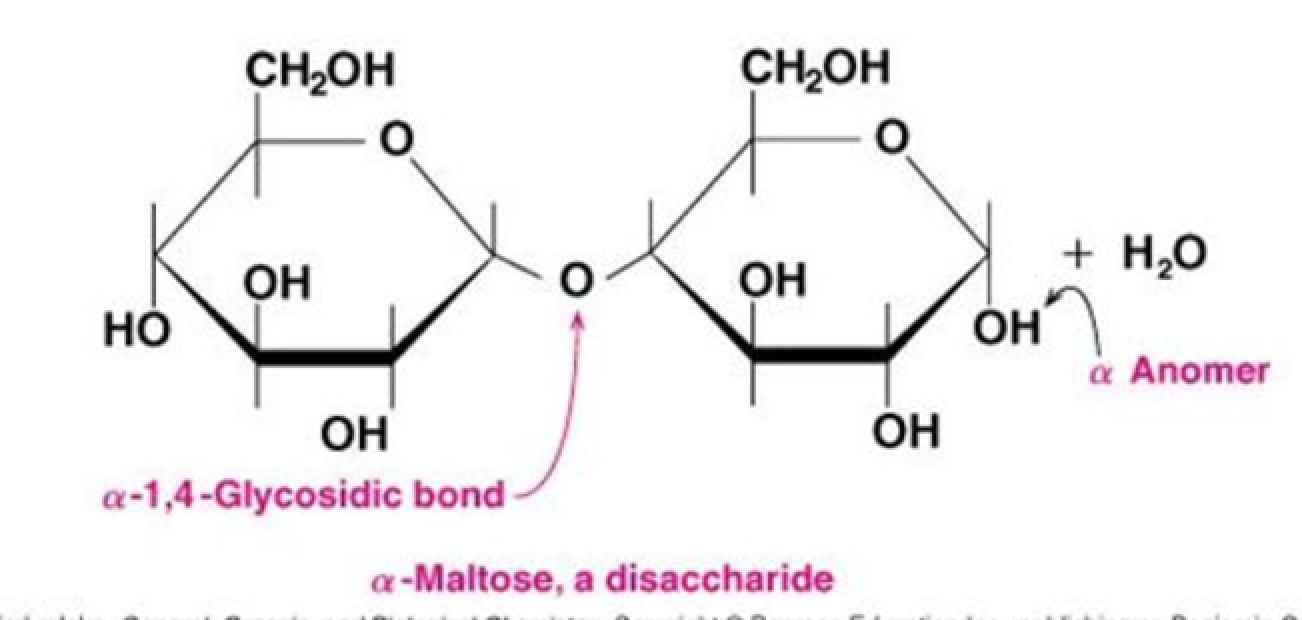
Corn syrup is made from the starch of corn, maze, which contains varying amounts of maltose and about 50% of it are obligosaccharides- almost as simple as sugar, but have a few more molecules attached to them. So they are a little more complex, but not enough to be called a starch. Maltose consists of two glucose molecules linked by an µ-1,4- glycosidic bond. You can see why the corn syrup is also known as glucose syrup, which is used in the food industry to add volume, to soften, to enhance flavour and to prevent crystallisation of sugar.

You must make a difference between corn syrup and high-fructose corn syrup. You can ask that how does corn syrup get fructose in it?  The corn syrup is manufactured by converting a large proportion of glucose content into fructose  using the enzyme D-xylose isomerase. The product is sweeter due to the higher levels of fructose molecules. The fructose level in high-fructose corn syrup can reach as high as 65%. This elevated fructose level is the explanation for why high-fructose corn syrup is so much worse for you than refined sugar. In sucrose or refined sugar a glucose and a fructose molecules are linked together, so its fructose content is 50%. 

The high-fructose corn syrup is a manmade sweetener that is found in a wide range of processed foods, from ketchup and cereals to crackers and salad dressings.
Foods high in fat and sugar are “hyperpalatable foods “ increase the dopamine level as much as addictive drugs.
Our body does not require any added sugar the complex form of carbohydrates in starchy foods supply all the glucose our metabolisms need. My advice is that eliminate high fructose corn syrup from your diet and from your children’s diet. Just banish it from your house.


Thursday, 5 January 2017

Using The Amazing Coconut Oil For Weight Loss
By Wendy Stanton  

Unlike other saturated fats which are bad for your health, coconut oil is a wonder and you need it in your life! Its many health wonders is the reason why using coconut oil for weight loss will produce some amazing results. Just try it out for a month and you will see.
What is so great about coconut oil?
While many people concerned with weight loss may think that they need to avoid all fats, this particular oil should not be one of the fats you avoid like the plague. There are many unhealthy fats but there are also many healthy fats that the body needs for general health and well being which can also help with weight loss.
There are bad fats that you must avoid such as trans fats (eliminate from your diet) and many saturated fats (reduce or eliminate).
The good or healthy fats that you need more of in your life are also known as essential fatty acids (EFAs) and are commonly found in unsaturated fats such as monounsaturated fats and polyunsaturated fats e.g. olive oil, olives, flaxseed oil, flaxseeds, various nuts and seeds, etc.
These good or healthy fats as mentioned earlier are essential for the body and help it to function properly and can also help boost your immune system, cardiovascular activity, help manage diabetes naturally, rheumatoid arthritis, eczema, psoriasis, cancer prevention, and so on and so forth. If you are trying to eliminate all fats from your body because you think this will help you lose weight, you will be doing your body a great disservice.
Instead of saying all fats are evil and should be banished, you need to be asking yourself what fats you need to be eating instead.
But coconut oil is a saturated fat...
This is true. Saturated fats are those that are solid at room temperature unless you reside in very hot climates in which case it will be so hot that the oil will remain in liquid form. If in solid form, this oil will quickly melt once heat is applied including applying body heat when it is rubbed between the palms or applied to skin.
While saturated fats is very unhealthy, it is important to remember that not all saturated fats are created equal and coconut oil while being a saturated fat is one of the good or healthy fats which is why you need it in your diet.
The reason it is considered healthy is because coconut oil is a medium chain fatty acid and not a long chain fatty acid which are the unhealthy saturated fats commonly found in fatty meats, butter, ghee, cheese, cream, and so on and so forth.
What this means is that the medium chain fatty acids in this particular oil can be metabolized much faster than long chain fatty acids. In addition, medium chain fatty acids are also easily absorbed into the small intestines with other nutrients which prevents them from being deposited into the belly as fat which is why coconut oil for weight loss is effective.
Coconut oil and weight loss
Using coconut oil for weight loss works because of the amazing properties of this oil which include the following;
1. Does not add fat
Unlike many other fats and foods that contain fat, coconut oil is not stored in the body as fat. When we eat these other fats or foods that contain fat, these fats are deposited into the blood stream and sent directly to our fat cells.
The medium chain fatty acids found in this oil are not deposited into the bloodstream but are sent directly to the liver to be used for energy like the carbohydrates and simple sugars in our diets. When you eat coconut oil, it is used immediately by the body for energy that is required by the cells in the body for day to day activities.
This is also the reason why this particular oil is recommended for diabetics because unlike carbohydrates and sugars that raise blood sugar levels, coconut oil does not raise blood glucose levels and it can also help to control cravings for sugar. Also note that excess amounts of carbs and sugars in the blood stream are stored as fat reserves in the body.

The way the body uses this oil is why you should replace any other oils that you currently use in your life with this oil. This will not only be healthier but will help you lose weight as fat stores are decreased despite still consuming the healthy fat that the body needs.
2. Metabolism
When we eat food, our metabolic rate increases in order to digest this food. This is the normal rate that everyone has but what is normal varies from one person to another which is why your friend can eat anything including unhealthy fats and not gain a pound whereas all you have to do is look at food and you gain a pound or so. She or he has a faster metabolic rate than you do which helps him or her burn more calories per day than you.
It's unfair but such is life. One of the best common methods used to increase metabolic rate is with exercise and building lean muscle and eating protein to build this lean muscle, so these are methods you can try so that your body starts to burn more calories with an increase rate of metabolism.
Another way of losing weight without exercise by increasing your metabolic rate is to add this particular oil to your diet. The medium chain fatty acids contained in coconut oil are able to boost your metabolism which will cause you to burn more calories which leads to weight loss. How amazing is that?
The medium chain fatty acid are quickly absorbed and burned by the body which helps them to be used as energy for your metabolism which leads to an increase in your rate of metabolism.
3. Increased energy
Because this oil is burned immediately, it leads to a boost in energy and besides boosting your metabolism, it can help increase your performance levels especially if you are an athlete or if you add exercise to your weight loss regimen which will help you produce better results.
These reasons are why using coconut oil for weight loss is so amazing and so effective, so go out to your nearest store and stock up on coconut oil if you haven't done so already.
How to use coconut oil for weight loss?
There are many ways on how to use coconut oil for weight loss. The simplest method is to simply use coconut oil in place of many of the other oils that you use daily in your cooking. You can also use it for baking in place of butter.
If you don't ordinarily use oil in cooking or baking, simply add 3 to 4 tablespoons of coconut oil daily to salads, oatmeal, smoothies, green juices, etc. It is best to spread out these 3 or 4 tablespoon of coconut oil throughout the day and not just consume them in one sitting.
The best coconut oil to use
When using coconut oil for weight loss or other health purposes, it is best to use organic, cold pressed and unrefined coconut oil which contains the most of the healthy properties found in this oil in order to make the most impact on your weight loss as well as your general health and well-being.
If you are interested in using coconut oil for weight loss, do not wait any longer. Get yourself some coconut oil and get it today! You will not be sorry. Especially if you are interested in ways of losing weight without exercising although adding coconut oil to a healthy diet and exercise regimen will produce even better results.
As an added benefit, you can also use this oil externally as it makes an excellent moisturizer and because of its anti-fungal and antibacterial properties, it can also help heal many skin issues while moisturizing your skin. This oil also makes an excellent oil treatment for your hair and its healing properties can help treat your scalp if you have any scalp issues. All this to say that you need coconut oil in your life!
Besides using coconut oil for weight loss, you will also need the 3 Week Diet program which will show you how to lose 12 to 23 pounds in 3 weeks! Discover what you need to eat more of for a slimmer body as well as when to eat these foods for maximum fat burning capability. Visit http://weightlosszeroexercise.com/3-week-diet-amazing-weight-loss-diet/ to find out more about this diet plan.

Sunday, 23 October 2016

The Function of Vitamin B in Our Life

The B vitamins are eight water-soluble vitamins that play important roles in cell metabolism. Historically, the B vitamins were once thought to be a single vitamin, referred to as vitamin B (much like how people refer to vitamin C or vitamin D). Later research showed that they are chemically distinct vitamins that often coexist in the same foods. Supplements containing all eight are generally referred to as a vitamin B complex.
List of B vitamins are as follows:
·       Vitamin B1 (thiamine)
·       Vitamin B2 (riboflavin)
·       Vitamin B3 (niacin, includes nicotinic acid and nicotinamide)
·       Vitamin B5 (pantothenic acid)
·       Vitamin B6 (pyridoxine, pyridoxal, and pyridoxamine)
·       Vitamin B7 (biotin), also known as vitamin H
·       Vitamin B9 (folic acid), also, vitamin M
·       Vitamin B12 (various cobalamins; commonly cyanocobalamin in vitamin supplements)
Each B vitamin has its own individual properties and its own unique biological role to play. As a group, these nutrients have so much in common that they are often thought of as a single entity.
Key Functions of Vitamin B
·       Vitamin B1 (thiamine) - helps the body convert carbohydrates into energy and helps in the metabolism of proteins and fats.
·       Vitamin B2 (riboflavin) - is required to complete several reactions in the energy cycle.
·       Vitamin B3 (niacin, includes nicotinic acid and nicotinamide) - helps the metabolism of carbohydrates.
·       Vitamin B5 (pantothenic acid) - promotes a large number of metabolic reactions essential for the growth and well-being of animals.
·       Vitamin B6 (pyridoxine, pyridoxal, and pyridoxamine) - is a coenzyme for several enzyme systems involved in the metabolism of proteins, carbohydrates, and fats.
·       Vitamin B7 (biotin), also known as vitamin H - plays a role in metabolic processes that lead to the formation of fats and the utilization of carbon dioxide.
·       Vitamin B9 (folic acid), also, vitamin M - is necessary for the synthesis of nucleic acids and the formation of red blood cells.
·       Vitamin B12 (various cobalamins; commonly cyanocobalamin in vitamin supplements) - is a complex crystalline compound that functions in all cells, but especially in those of the gastrointestinal tract, the nervous system, and the bone marrow. It is known to aid in the development of red blood cells in higher animals.
Food Sources of Vitamin B
·       Vitamin B1 (thiamine) - Thiamin is found in whole-grain cereals, bread, red meat, egg yolks, green leafy vegetables, legumes, sweet corn, brown rice, berries, and yeast.
·       Vitamin B2 (riboflavin) - Riboflavin is found in whole-grain products, milk, meat, eggs, cheese and peas.
·       Vitamin B3 (niacin, includes nicotinic acid and nicotinamide) - Niacin is found in protein-rich foods. The most common protein rich foods are: meats, fish, brewer's yeast, milk, eggs, legumes, potatoes and peanuts.
·       Vitamin B5 (pantothenic acid) - Pantothenic acid is found in meats, legumes and whole-grain cereals.
·       Vitamin B6 (pyridoxine, pyridoxal, and pyridoxamine) - Pyridoxine can be found in many foods. Some of the foods that contain it are: liver, meat, brown rice, fish, butter, wheat germ, whole grain cereals, and soybeans.
·       Vitamin B7 (biotin), also known as vitamin H - Liver, egg yolk, green vegetables, and whole grains.
·       Vitamin B9 (folic acid), also, vitamin M - Folic acid is found in many foods, including yeast, liver, green vegetables, and whole grain cereals.
·       Vitamin B12 (various cobalamins; commonly cyanocobalamin in vitamin supplements) - Vitamin B12 can be found in liver, meat, egg yolk, poultry and milk.

Recommended Daily Usage
·       Vitamin B1 (thiamine) - 0-6 months (0.3mg), 6-12 months (0.5mg), 1-18 years (1-1.5mg), 18+ years (1.5mg), Pregnant/Lactating (+0.5mg), Theraputic Range: 50mg to 1000mg+
·       Vitamin B2 (riboflavin) - 0-6 months (0.4mg), 6-12 months (0.6mg), 1-18 years (1-1.5mg), 18+ years (1.7mg), Pregnant/Lactating (+0.5mg), Theraputic Range: 50mg to 500mg+
·       Vitamin B3 (niacin, includes nicotinic acid and nicotinamide) - 0-6 months (6mg), 6-12 months (8mg), 1-18 years (10-15mg), 18+ years (15-20mg), Pregnant/Lactating (+4 mg), Theraputic Range: 100mg to 2000mg+
·       Vitamin B5 (pantothenic acid) - 0-6 months (2.5mg), 6-12 months (3mg), 1-18 years (4-7mg), 18+ years (10mg), Pregnant/Lactating (+3mg), Theraputic Range: 250mg to 20g+
·       Vitamin B6 (pyridoxine, pyridoxal, and pyridoxamine) - 0-6 months (0.3mg), 6-12 months (0.6mg), 1-18 years (1-2mg), 18+ years (2.5mg), Pregnant/Lactating (+0.6mg), Theraputic Range: 50mg to 1000mg+
·       Vitamin B7 (biotin), also known as vitamin H - 0-6 months (35mcg), 6-12 months (50 mcg), 1-18 years (100-200mcg), 18+ years (300mcg), Pregnant/Lactating (+50mcg), Theraputic Range: 50mcg to 15mg+
·       Vitamin B9 (folic acid), also, vitamin M - 0-6 months (30mcg), 6-12 months (50mcg), 1-18 years (100-400mcg), 18+ years (400mcg), Pregnant/Lactating (+1mg), Theraputic Range: 400mcg to 20mg+
·       Vitamin B12 (various cobalamins; commonly cyanocobalamin in vitamin supplements) - 0-6 months (0.5mcg), 6-12 months (1.5mcg), 1-18 years (2-4mcg), 18+ years (4-6mcg), Pregnant/Lactating (+1mcg), Theraputic Range: 50mcg to 10mg+
Nutritional Safety
 
Each of the B vitamins has different safety and usage factors:
·       Vitamin B1 - Easily destroyed by alcohol consumption, caffeine, stress, and smoking. Pregnant women may benefit from slightly higher levels of B1. Large doses (5,000 to 10,000 mg) can cause headaches, irritability, rapid pulse, and weakness.
·       Vitamin B2 - Absorption or availability is decreased by the use of oral contraceptives, as well as by regular exercise and alcohol consumption. Vegetarians and the elderly may benefit from slightly higher levels of B2. A deficiency of riboflavin can cause skin disorders, anemia, light-sensitive eyes, and inflammation of the soft tissue lining around the mouth and nose.
·       Vitamin B3 - Nicotinic acid (niacin) - People who exercise regularly, take oral contraceptives, or have a lot of stress in their lives may need slightly higher levels. A deficiency of niacin causes the disease, pellagra. More than 100mg of vitamin B3 can cause flushing, tingling, itching, headaches, nausea, diarrhea and ulcers.
·       Vitamin B5 (Pantothenic acid) - Elderly people and those who take oral contraceptives, as well as those who smoke, or consume alcohol or caffeine may need slightly higher levels. Symptoms of deficiency may include depression and poor appetite. An individual suffering from biotin deficiency may seem lethargic, weak or easily fatigued. Hair loss may result from biotin insufficiency. Additionally in some cases of severe biotin deficiency, eczema occurs. The eczema can appear anywhere on the body but primarily targets the face. Occasionally deficiency will result in a slight swelling or inflammation of the tongue as well.
·       Vitamin B6 - Pregnant or breastfeeding/lactating women, those who use contraceptives or hormone replacement therapy, and those who use antibiotics regularly may need slightly higher levels. B6 supplementation is also suggested for those who consume alcohol, smoke, and consume protein above recommended levels. Deficiency of pyridoxine is rare. However, pyridoxine deficiency often occurs in alcoholics. Deficiency causes skin disorders, disruption of the nervous system, confusion, poor coordination and insomnia. Pyridoxine is also called pyridoxal phosphate and pyridoxamine. More than 500mg can cause irreversible nerve damage. The nerve damage can cause impaired walking, numbness, tingling and poor sense of touch.
·       Vitamin B7 (Biotin) - Pregnant women and those who use antibiotics on a long-term basis may need increased levels.
·       Vitamin B9 (Folic acid) - Elderly people and pregnant women may need higher levels, as well as people who consume alcohol or have risk factors associated with heart disease. Deficiency of folic acid causes anemia, poor growth, and irritation of the mouth. Deficiency of folic acid is common in alcoholics, the elderly, and people who are malnourished. Folic Acid is also called folacin and pteroylglutamic acid.
·       Vitamin B12 - Strict vegetarians and vegans, along with pregnant and/or lactating women, and those who consume alcohol or smoke may need increased levels. Deficiency of vitamin B12 causes mouth irritation, brain damage, and a disease called pernicious anemia.
My next article entitled The Function of Vitamin C in our Life will examine the role of Vitamin C in good nutrition.
See you on the Beaches of the World.
Kevin McNabb is the Founder & Chairman of Kevin McNabb International, a company dedicated for producing high quality personal development resources for the direct selling industry (includes MLM, network marketing and Party Plan). For more information please visit:http://KevinMcNabb.com/blog
He is also the author and creator of "The Responsible Direct Seller Series."
Kevin is a freelance writer, blogger and guest blogger and has been a professional network marketer since 1985.
For more information on this article please visit:
[http://kevinmcnabb.com/blog/articles-by-kevin-mcnabb/the-function-of-vitamin-b-in-our-life/]